·8 min read
The 3 euro import duty on e-commerce: per consignment or per line?
Since 1 July 2026 the import duty exemption for e-commerce consignments up to one hundred and fifty euro has gone. Until 1 July 2028 a flat rate of three euro applies, and Dutch Customs charges it per declaration line, not per parcel. This follows the Customs page of 18 August 2026.
What changed on 1 July 2026?
Until 30 June 2026, e-commerce consignments from outside the EU with an intrinsic value of up to one hundred and fifty euro were exempt from import duty. VAT had already been due since 1 July 2021, duty had not. That second exemption is now gone. Since 1 July 2026 the declarant pays three euro of import duty on such a consignment. That rate runs until 1 July 2028. After that the ordinary EU customs tariff applies, the common customs tariff that belongs to the goods code. The three euro is therefore not a new permanent duty. It is a bridge until the Union Customs Code reform goes further. The exemption covered goods that a seller outside the EU delivers directly to a consumer in the EU, up to and including one hundred and fifty euro. Above that threshold the ordinary import declaration applied and still applies. Excise, prohibitions and restrictions already sat outside DECO and still do. What changed is not the channel, but that a duty now sits on the consignment that previously came in duty free. The legal basis is Council Regulation (EU) 2026/382 of 11 February 2026, with implementing rules in Regulation (EU) 2026/1022 and Implementing Regulation (EU) 2026/1200. Anyone quoting should quote those texts or the Customs page, not a software vendor's summary. Last checked against the Dutch Customs page Import duty on e-commerce of 18 August 2026.
Is that three euro per consignment or per article line?
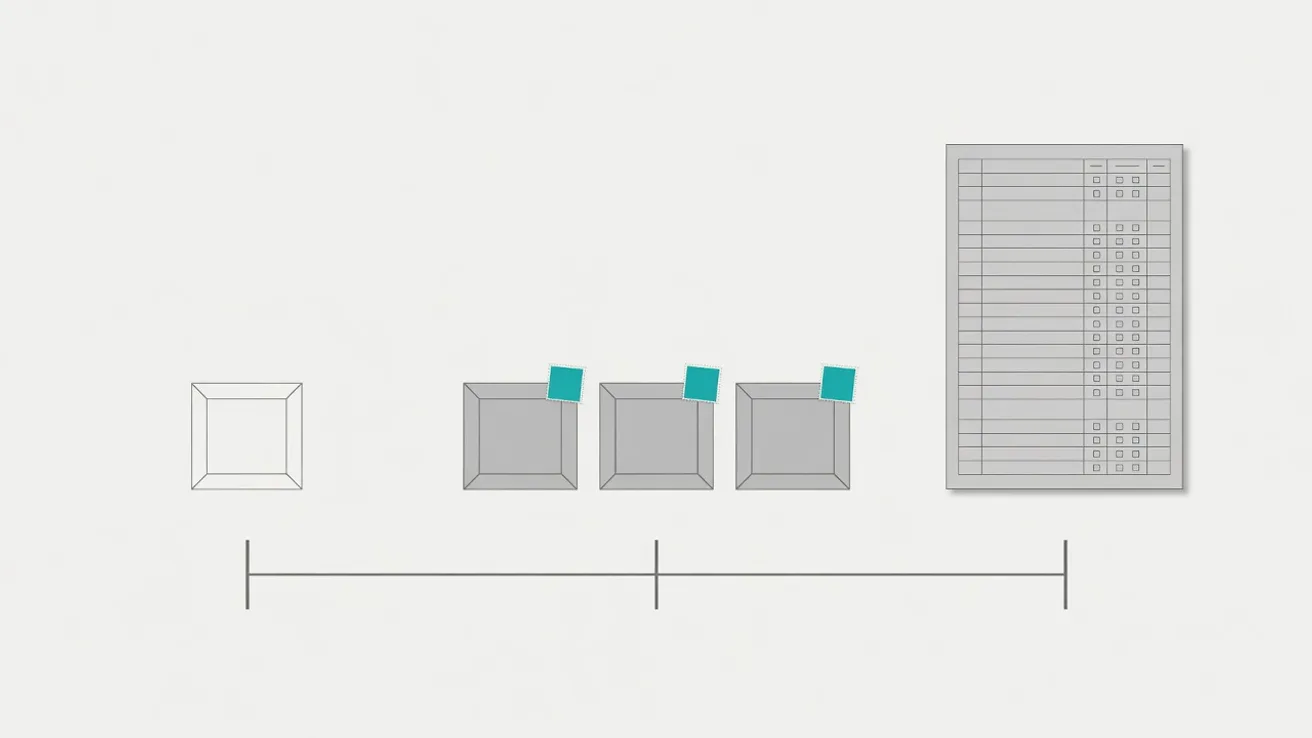
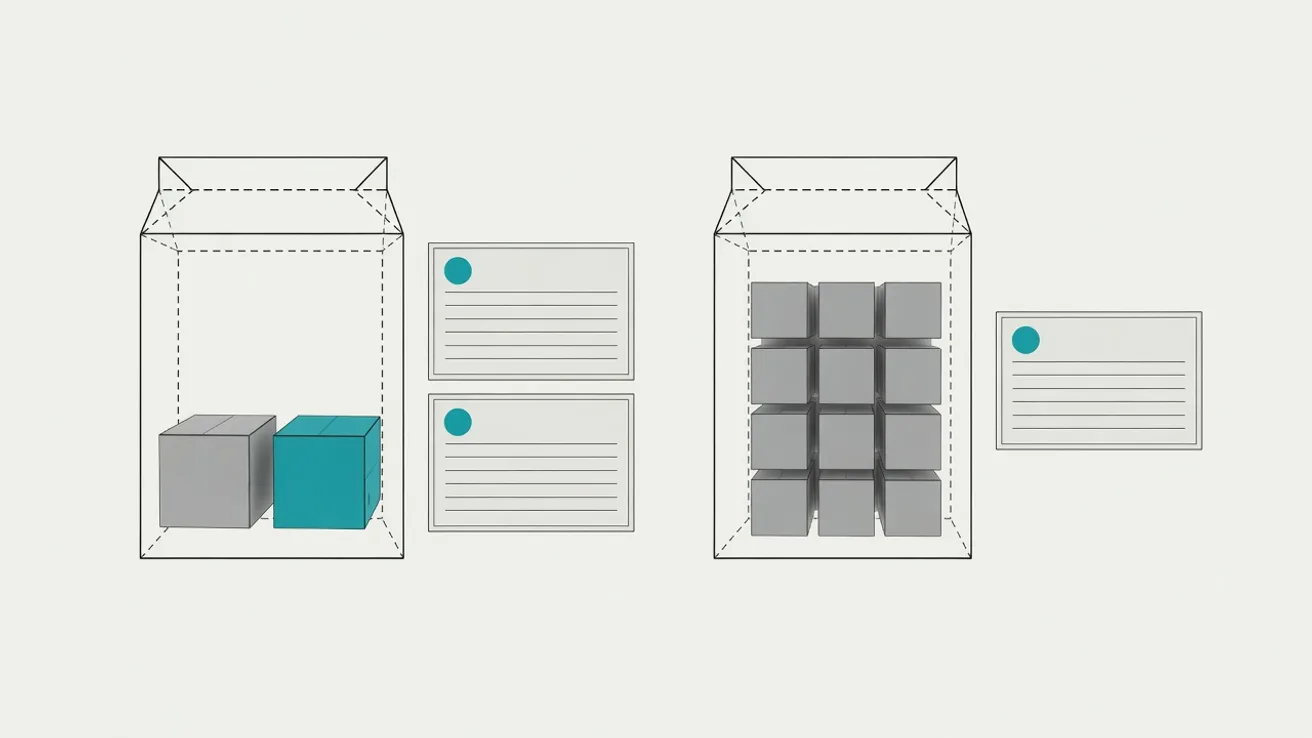
This is the point that goes wrong if you read too fast. Customs writes: you pay the import duty per type of product. If you file as a business in DECO or DMS, it is three euro per declaration line. Their own example. A consignment holds a pencil and a bicycle bell: you pay three euro twice, six euro. A consignment holds a box of pencils: you pay three euro once. Not because the box is cheaper, but because it is one type of product, so one line. A mixed consignment with five different articles is therefore five lines and fifteen euro, even if it is one package and the total value stays under one hundred and fifty euro. Anyone who budgets three euro per parcel comes up short the moment the order combines a pair of trousers and a phone case. That is not an interpretation. That is the example Customs itself puts on the page. The Commission defines an item as goods in a consignment with the same tariff classification, description and, where applicable, the same origin. In the current IT systems the rate is applied automatically per declaration line. How you split the lines therefore determines the amount. Splitting to stay under a threshold is a different thing from grouping lines by goods code. Customs looks at the first, the second is how the charge is built.
When does DECO stay the channel, and when do you go to DMS?
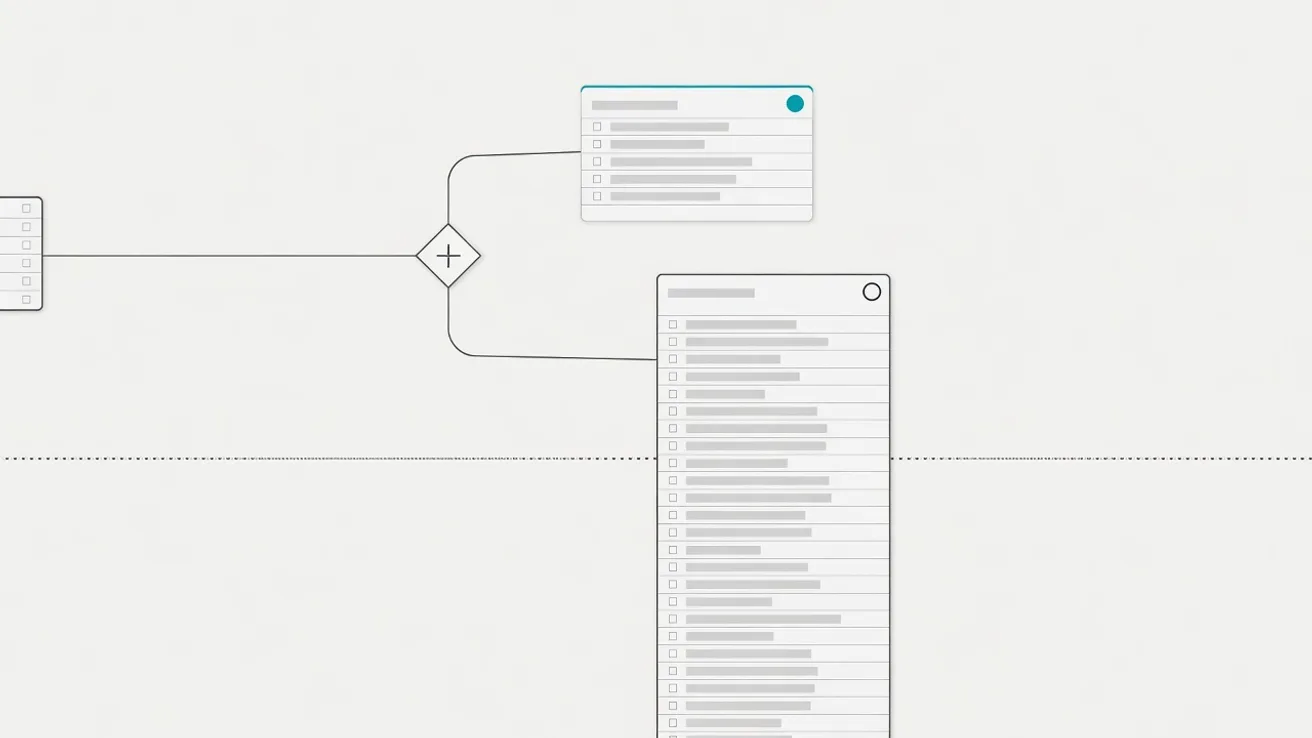
DECO remains the Dutch channel for e-commerce consignments with an intrinsic value of up to one hundred and fifty euro, and for gift consignments up to forty five euro. Above that, for prohibitions and restrictions, for excise or consumption tax, and for postal consignments with a preferential rate, you file in DMS. The three euro applies in both systems, as long as it is an e-commerce consignment up to one hundred and fifty euro. DECO or DMS does not change the rate. What does change is the data set: H7 in DECO with a six digit code, the full set in DMS. There is an exception. Anyone who wants to apply a preferential rate through the special arrangement or the standard B2C declaration has to go through DMS. You then pay the preferential rate instead of the flat three euro. That is the only route on which the three euro drops away before 2028 arrives, and only if the preference actually applies. The one hundred and fifty euro threshold is the intrinsic value, the price of the goods themselves without freight and insurance, provided those sit separately on the invoice. Splitting an order into several packages to stay under the threshold is exactly what Customs looks at. Which parcels belong together remains a set-up question.
Which authorisations belong with this since 1 July 2026?
Once the exemption falls away, an import creates a customs debt. Customs wants a financial guarantee for that. Since 1 July 2026 you have to provide security for declarations of e-commerce consignments. Two authorisations are needed for that: comprehensive guarantee (CGU) and deferment of payment (DPO). Anyone who already holds those authorisations may need to adjust the reference amount. That amount is the customs debt that arises in one month, and you provide security for one hundred percent of it. Customs sets the security to be provided on the basis of your situation, historical data from January to May 2026, and an estimated drop in the flow. Without cover in the balance, on standard declarations in DMS and DECO you cannot file new declarations until you top up. From 1 July 2026 the DPO authorisation has to stand in the name of the declarant, not the submitter. Under direct representation that is the IOSS holder established in the EU, often the seller or the platform. Under indirect representation the representative is the declarant, often the forwarder or the carrier. An IOSS holder established outside the EU can only file through indirect representation.
What changes in the declaration process itself?
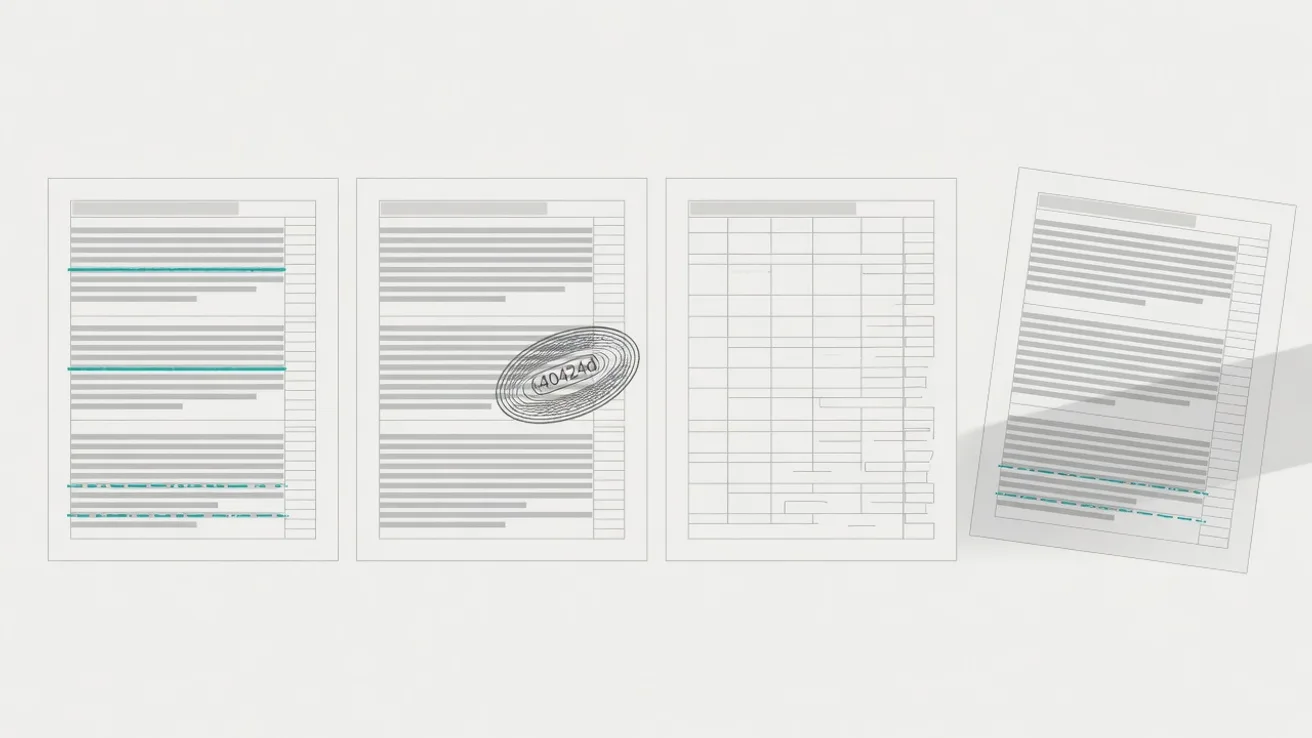
Besides the rate, process rules have been added. Product identification has been allowed on the e-commerce declaration since 1 July 2026. From 1 November 2026 that identification is mandatory: the unique code of a model, a batch or an object, assigned by manufacturer, supplier, seller or platform. Without that code in the data set the declaration is no longer in order from November, even if the rest of the H7 set is right. Invalidating a declaration is only still possible before the goods are released. After release that route is closed. That pushes the check forward: what has to come out has to come out before the consignment is released, not afterwards as a correction. Around 1 July 2026 there was also a hard cut in DECO and DMS: the pre-declaration and the presentation notification both had to be in before that date, or both after. A pre-declaration of 30 June with a presentation notification of 1 July was rejected. The same kind of cut comes back at the move to the common tariff in 2028. Anyone setting up the chain keeps those two messages together.
What does this mean for an e-commerce flow in practice?
The declaration is still a data stream. What has been added is that every line costs money, and that the security shuts the tap if the balance runs out. A mapping that puts two different articles on one line because that is fewer fields, undercounts. A mapping that puts each piece in a mixed box on its own line, counts what Customs asks. For the declarant the first question is no longer whether DECO can handle it, but whether the data set carries the lines, the product identification and the declarant's authorisation. An IOSS number that covers the VAT does not cover the three euro. Duty and VAT remain two tracks. SKAI files DECO declarations, next to ordinary import in DMS. The gate that chooses per consignment which channel it becomes, on value, restrictions and preference, is the same gate as before 1 July. What you now put next to it is the line count and the name on the DPO. Anyone booking a demo brings a mixed consignment, not only a box of pencils.