Skip to content

Industry

Customs for chemicals

In chemicals a declaration rarely fails on value and almost always on an attribute. SKAI checks code, document and master data before anything goes out.
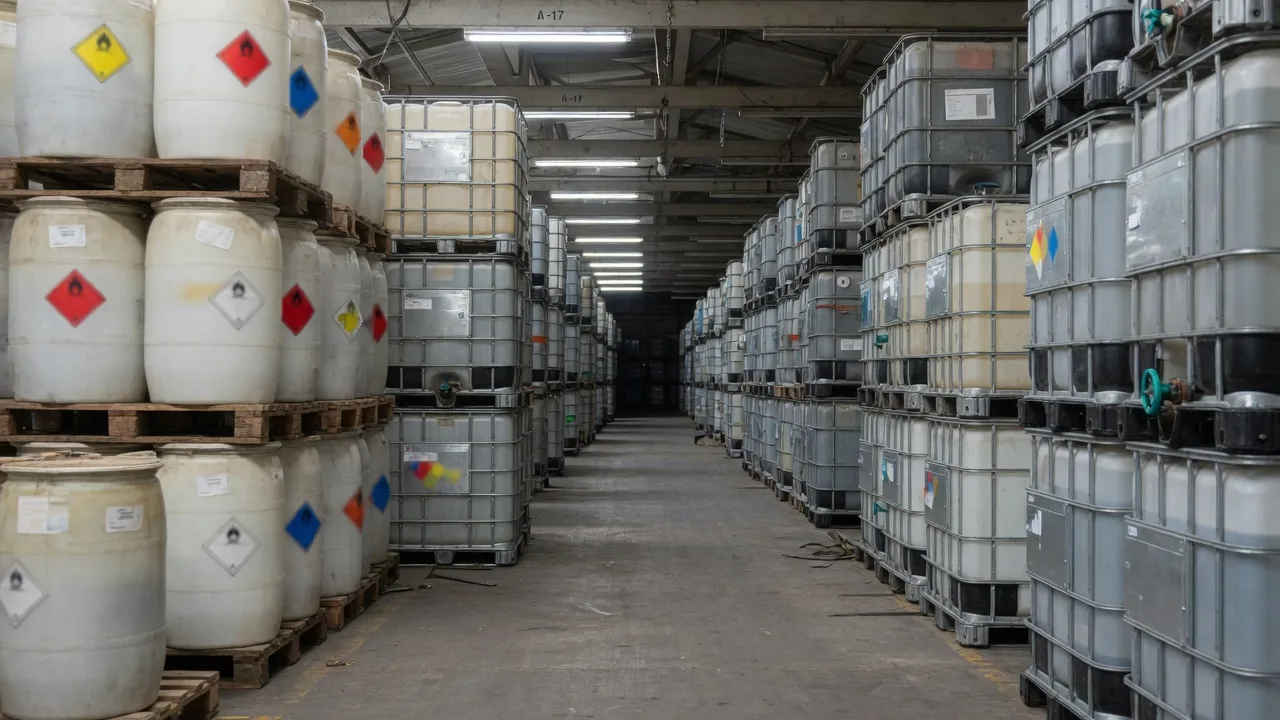
Chemical warehouse aisle with drums and IBC totes on pallets.

CSI-Fresh, Fidocs and ICL already run on SKAI.

FidocsCSI-FreshICLEGS

Capabilities

Customs for chemicals

Three steps. Where this industry gets stuck, and how the dossier stops that.

The code carries the file

In chemicals ten digits carry more than a rate: dual-use, precursors, F-gases, PIC or a ban. SKAI checks the code against the tariff database and TARIC including measures, and flags the missing document before filing.

  • The goods code decides the licence and the ban
  • If the document is missing, DMS refuses
  • A wrong heading often shows only at post-clearance
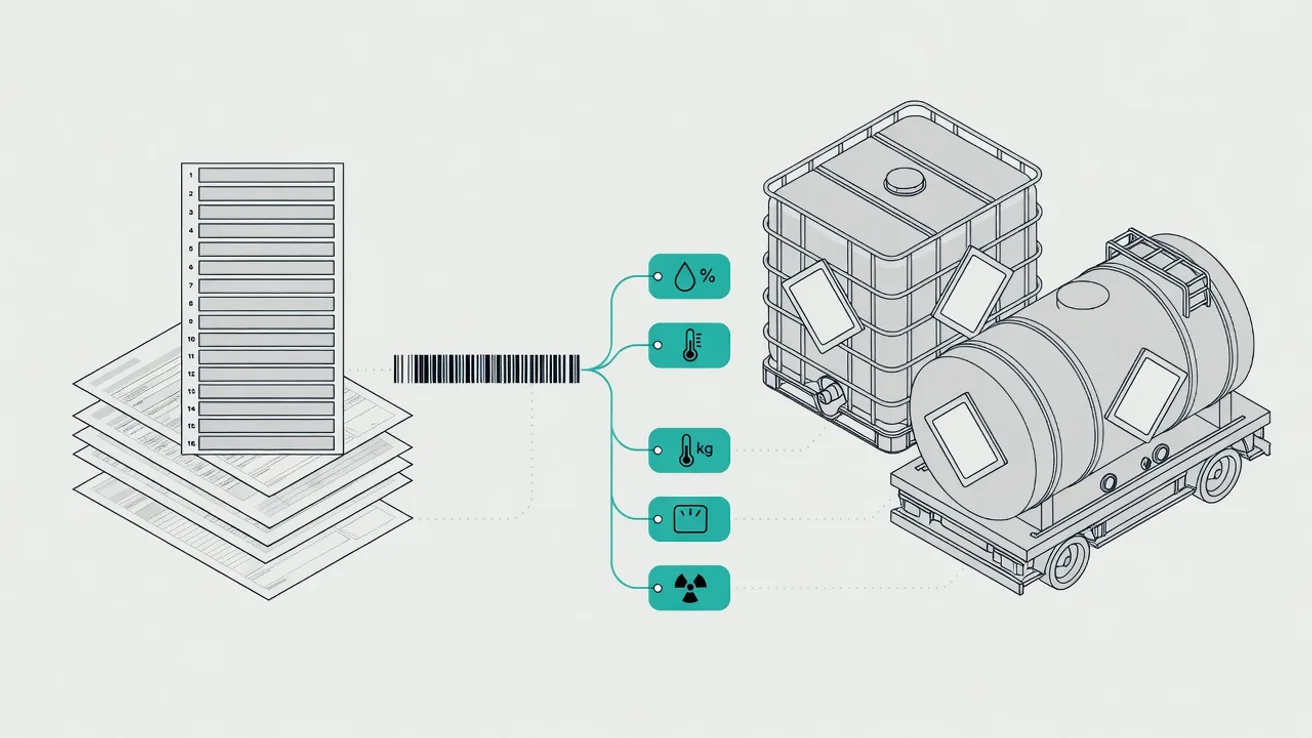
Isometric diagram of a chemical shipment file with documents, a goods code branching into measures, and a tank container.

UN number, class, SDS

UN number, class and packing group are not on the declaration, but they decide which papers belong in the file. The safety data sheet is the source, and at a physical check the first thing asked for.

  • The same classification across road, sea and air
  • An SDS version that belongs to this consignment
  • REACH is a condition at release, not a check in DMS
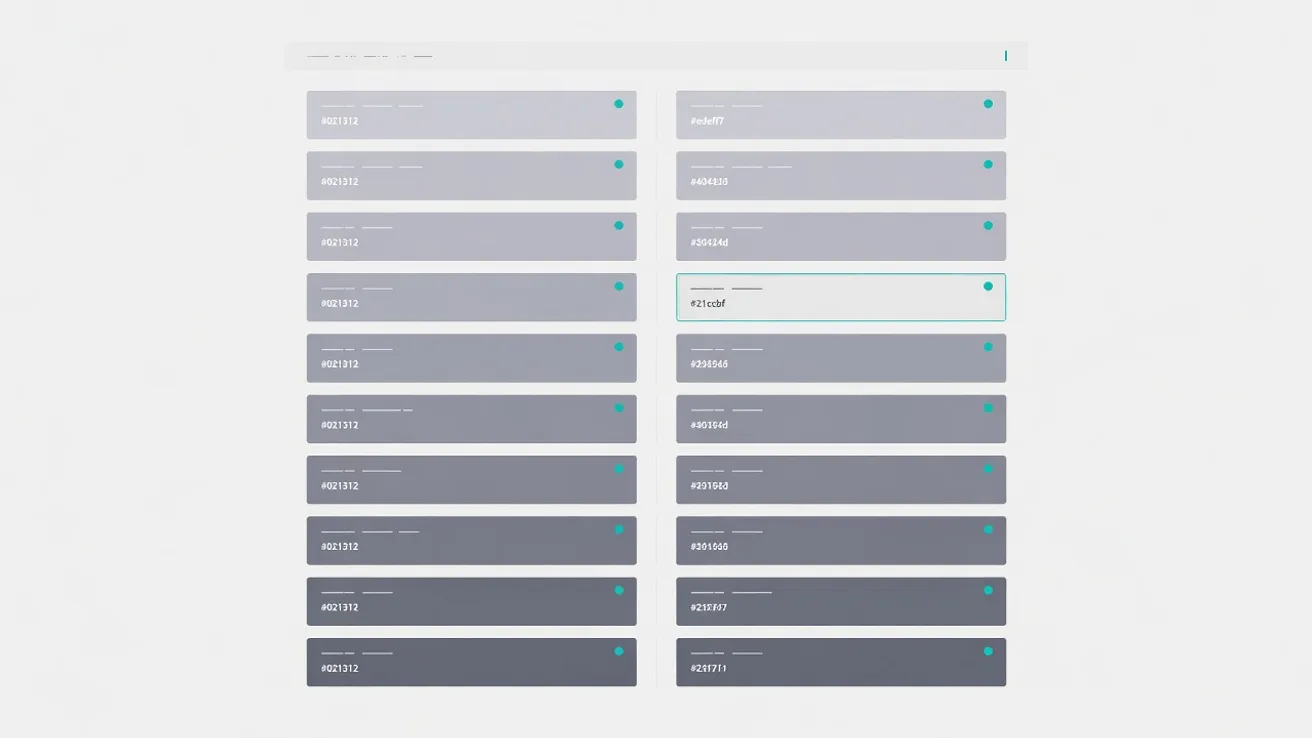
Abstract master data record for a chemical substance, with mandatory fields marked and one field left empty.

Master data before the declaration

A chemical article carries CAS, EC, UN, class, flash point, REACH status and often an excise product code. SKAI treats that file as the source, not as a field on a declaration line.

  • Fixed mapping per substance and supplier
  • Supplementary unit and TARIC code where the heading asks
  • Warehouse stock that ties to batch and tank
  1. 1Fixed mapping per substance and supplier
  2. 2Supplementary unit and TARIC code where the heading asks
  3. 3Warehouse stock that ties to batch and tank

Also relevant

Frequently asked questions

Do you need a licence to import chemicals?
That hangs on the goods code and not on the substance in general. TARIC shows which prohibitions and restrictions apply against the code and whether a document code is mandatory. For dual use items, drug precursors, fluorinated greenhouse gases and substances under the PIC Regulation there is almost always a licence or a notification, and without the matching document number DMS refuses the declaration.
Does REACH also apply to goods that only travel through the EU?
No. REACH applies on placing on the market, and goods under a suspensive procedure such as transit or a customs warehouse are not placed on the market. The moment the same lot enters free circulation the registration duty does apply. The importer is then responsible, or the only representative appointed by the manufacturer outside the EU.
Can you store dangerous goods in a customs warehouse?
Yes, provided the site is also licensed for it. The warehouse authorisation covers the customs side, while storing dangerous goods falls under the environmental and safety permit of the site. Both have to be in place, and the stock records have to keep it traceable per lot what is stored and under which procedure.
How do you move excise goods under duty suspension?
Through EMCS, with an electronic administrative document that gets an ARC on acceptance. The movement is only discharged once the consignee files a report of receipt. If you want to go straight into suspension at import instead of paying, that has to be stated in the import declaration and there has to be a registered consignor behind it.
What happens if the UN number does not match the goods code?
The customs declaration usually passes without comment, because the UN number is not in it. The shipment gets stuck at the carrier or on the terminal, because the transport document then says something other than the safety data sheet. At an inspection that contradiction is the first thing noticed, and after it the classification itself comes up for discussion too.
What does an article file for chemicals have to contain?
Besides goods code, origin and weight, at minimum the CAS number, the EC number, the UN number, the hazard class, the packing group, the flash point, the concentration, the REACH status, the dual use classification and the supplementary unit. If the substance is excise goods, the excise product code comes on top. If an anti dumping duty rests on it, so does the producer's additional TARIC code.

Show us one chemical file with its safety data sheet attached and we will show you which fields SKAI pulls out and which measures hang on the goods code.

Book a demo