Module
Invoicing
Costs, rates per principal and advances hang on the dossier. The invoice follows from the work.

CSI-Fresh, Fidocs and ICL already run on SKAI.




Capabilities
Invoicing
Three steps. From documents to a dossier customs will accept.
What it covers
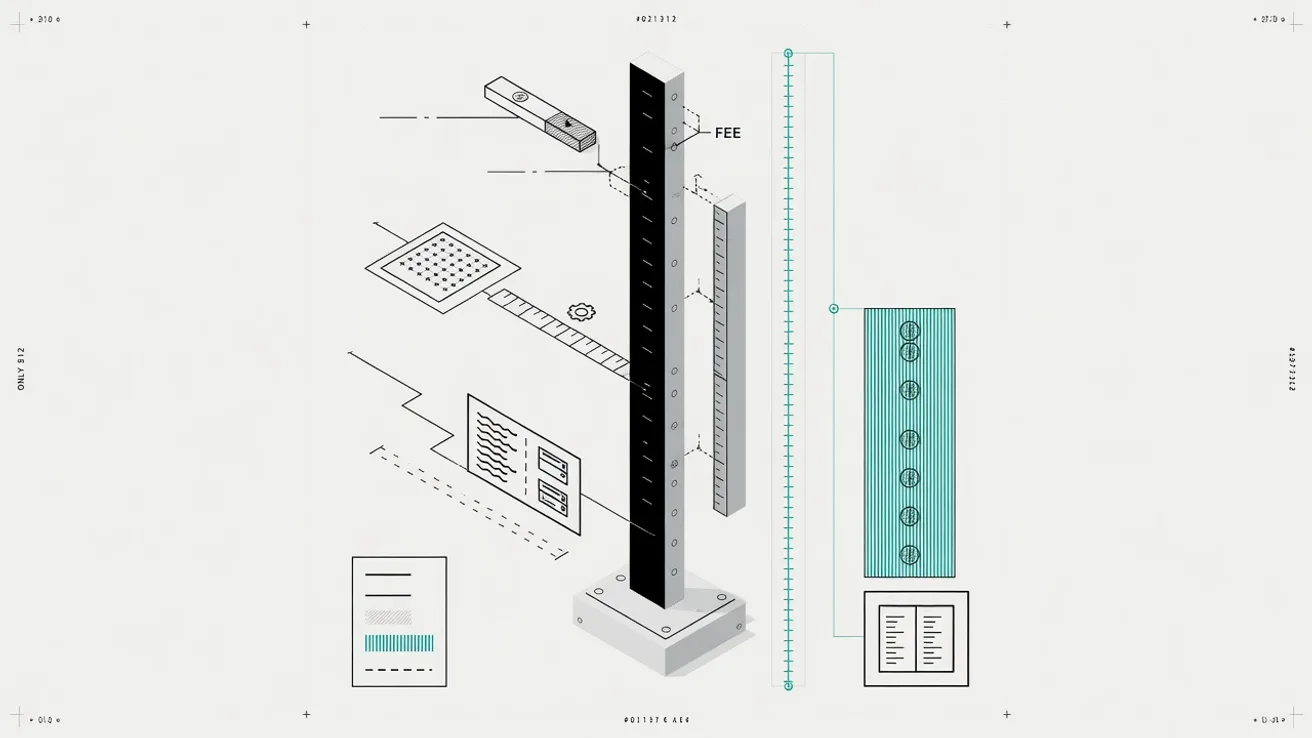
Declaration fee, surcharge per item line, inspection, terminal, and duty and VAT advanced. Each principal has its own rate card. Advances stay separate from your own revenue.
- Declaration fee and surcharge per article line
- Inspection, terminal, duty and VAT advanced
- Own rate card per principal, advances kept apart
How it works
Actions land on the dossier while the work runs. An inspection or an extra line then does not disappear. Dossiers filed without invoice lines are visible, so work that was done also gets billed.
- Actions land on the dossier while it is open
- An inspection or extra line does not disappear
- Filed without invoice lines is visible
Into the books
Invoice lines go as an export or through the REST API into your accounts, with ledger account and VAT treatment, traceable to dossier and MRN.
- Export or REST API into the accounts
- Ledger account and VAT treatment included
- Traceable to dossier and MRN
- 1Export or REST API into the accounts
- 2Ledger account and VAT treatment included
- 3Traceable to dossier and MRN
Frequently asked questions
What is the difference between a disbursement and an own cost on a customs invoice?
A disbursement is an amount you pay to a third party on behalf of your client, such as the import duties and import VAT owed to customs, and which you recover one for one. Own costs are the services you perform yourself, such as the declaration, and you invoice those with your own margin. The distinction determines the VAT treatment of the line and therefore belongs visibly on the invoice.
Do you charge VAT on recharged import duties?
On an amount correctly treated as a disbursement you charge no VAT, because the money was never yours and the debt stands in your client's name. Treat the same amount as an own cost you recharge and it becomes revenue, and part of your VAT return. Fix the treatment per line rather than per invoice, because a customs invoice almost always contains both kinds.
How do you recharge inspection costs that only arrive after release?
By attaching the note to the dossier number the inspection belonged to, even if that dossier is weeks old. In SKAI a dossier stays open for new cost lines until you deliberately close it, so the cost still reaches the next invoice or a separate one. Without that link such a note disappears into general overhead and you pay it yourself.
Can you set a separate rate card per client?
Yes, rates are fixed per client, including volume tiers and which actions are included. It sits on the same client rules SKAI already uses for routing, document flows and approval steps. A declarant therefore does not have to know which agreement applies to this account.
How do you get invoices out of SKAI into your accounting package?
Through an export or through the REST API your WMS, TMS or ERP already uses. Every line carries a ledger account and a VAT treatment and refers back to the dossier and the MRN it came from. That makes a discrepancy at the monthly close traceable to the shipment where it started.
What happens to the invoice when a declaration is corrected?
The credit note is linked to the same dossier and to the original invoice line, after which the correct amount is invoiced again. If the correction changes the duties or the VAT, it also changes the advanced amount you recover. Both documents stay visible on the dossier, with the link between them.