Skip to content

Industry

Customs for fresh produce and veterinary goods

With fresh and veterinary loads the clock runs both ways. SKAI prepares the notification before the reefer is on the quay.
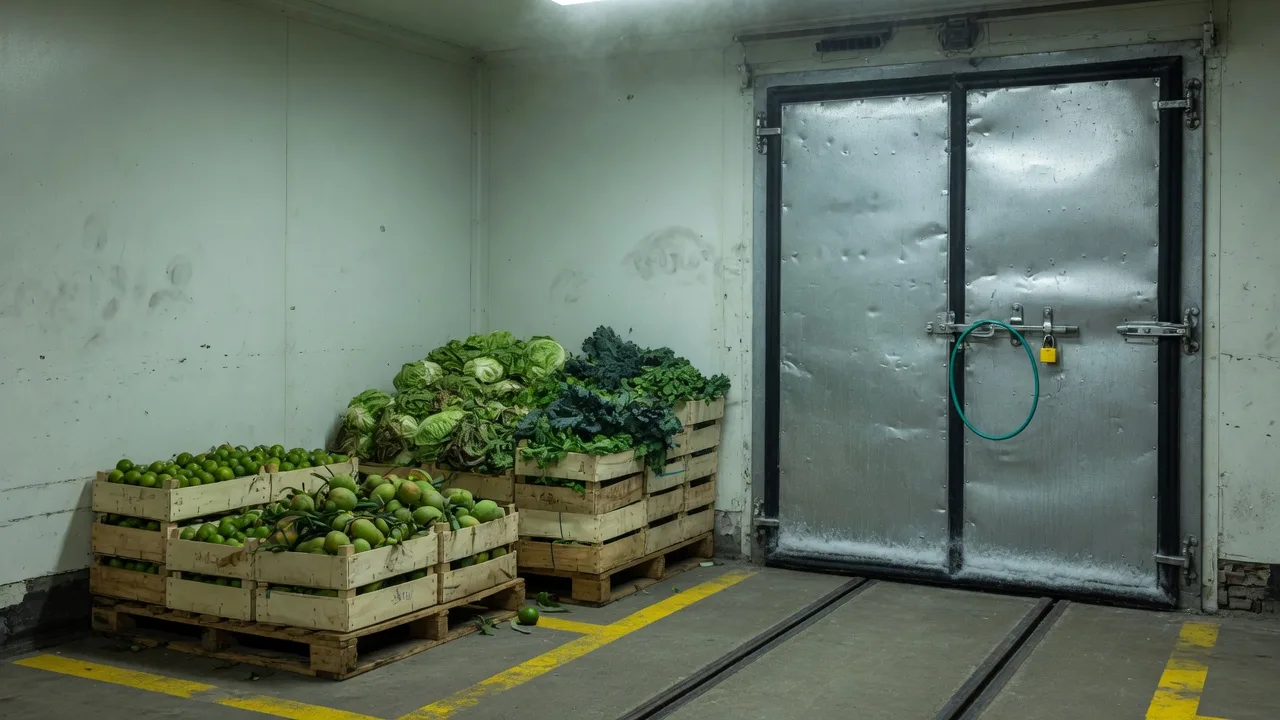
Chilled warehouse with crates of produce beside a reefer door.

CSI-Fresh, Fidocs and ICL already run on SKAI.

FidocsCSI-FreshICLEGS

Capabilities

Customs for fresh produce and veterinary goods

Three steps. Where this industry gets stuck, and how the dossier stops that.

Time is margin

A waiting reefer costs demurrage, power and product. SKAI pulls the notification forward to the moment the certificate arrives, not the moment the ship berths.

  • Inspection and shelf life run against each other
  • Every hour between arrival and release is product value
  • The work should be ready before the reefer is on the quay
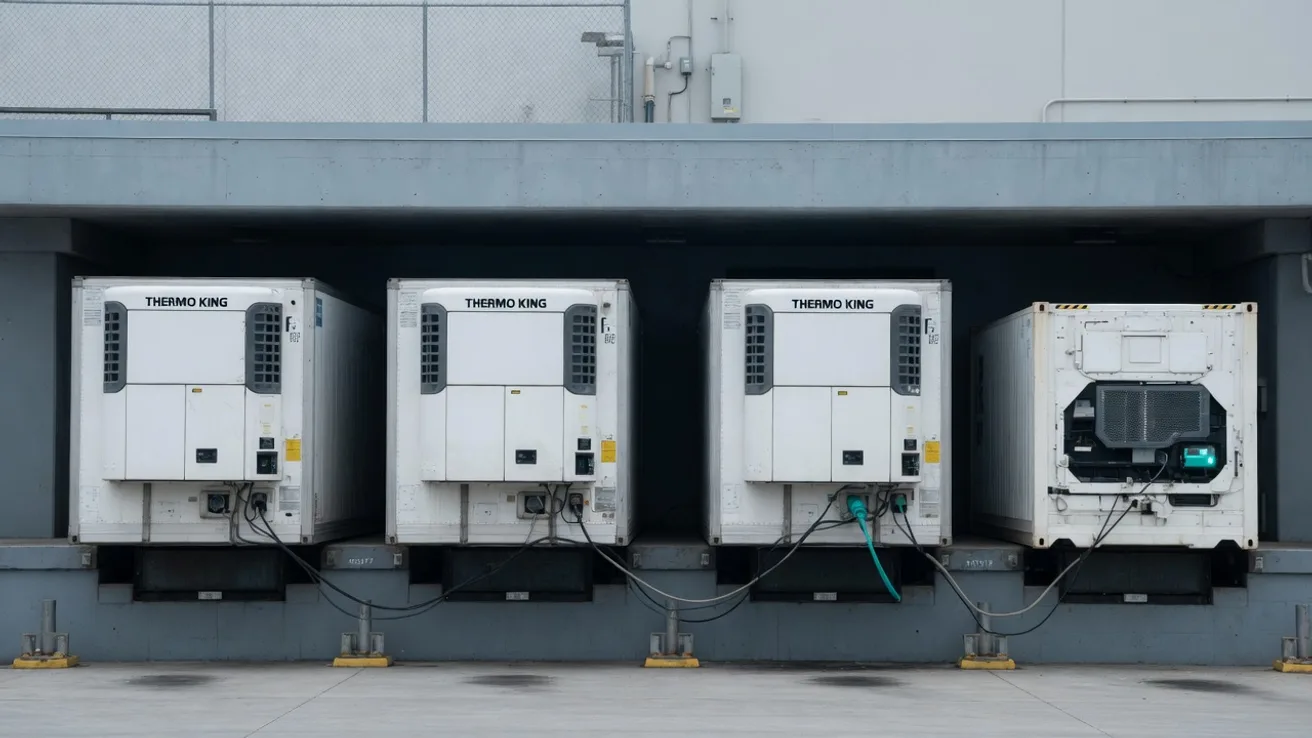
Four refrigerated trailers wait plugged into power at the loading docks of a border control post.

Notify before arrival

The CHED should exist before the consignment does. SKAI reads certificate, invoice, packing list and bill of lading and fills the notification with fields that trace back to the source document.

  • At the latest one working day before arrival in TRACES-NT
  • Certificate number, weight and container number must match
  • Mismatches sit in the dossier before the notification goes out
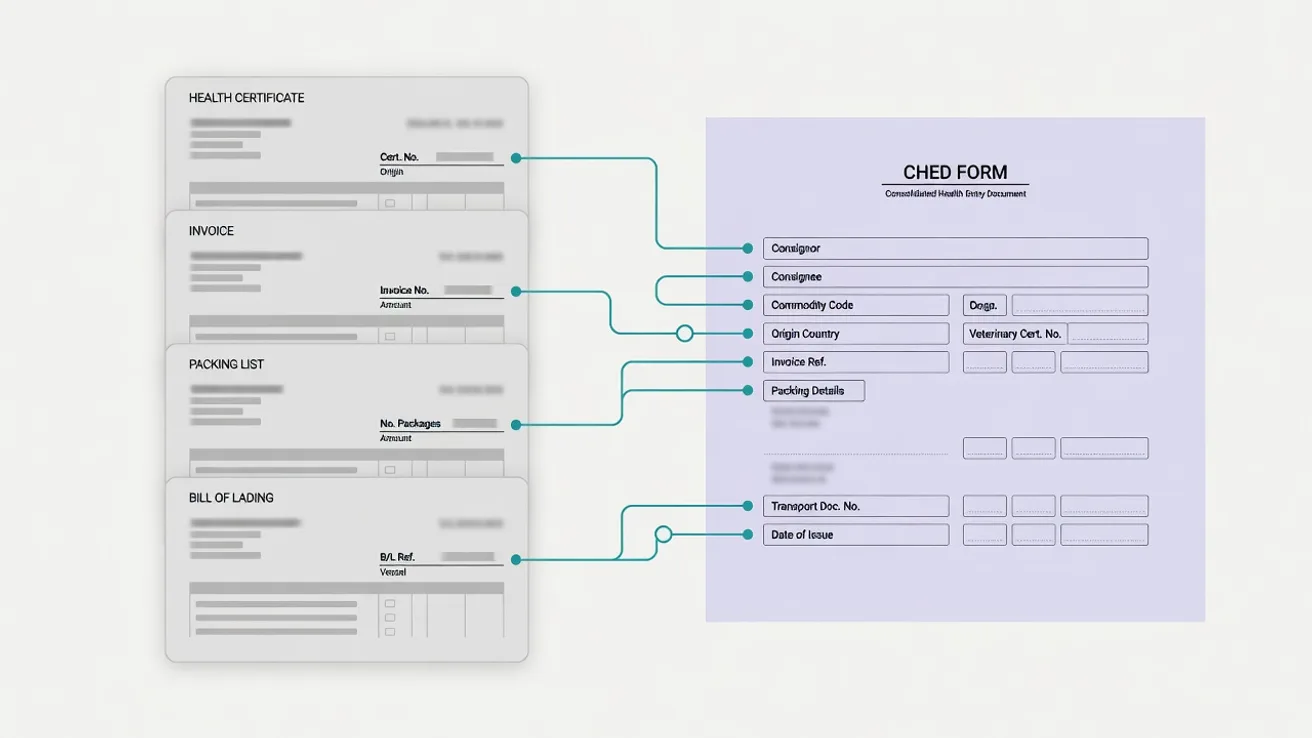
Diagram showing fields from a certificate, invoice, packing list and bill of lading feeding one CHED form.

Two releases in one dossier

NVWA, KCB and customs have their own documents and deadlines. A container leaves only when inspection and the import declaration are both green. In SKAI those tracks hang off the same dossier.

  • CHED status next to the import declaration
  • The same extracted fields feed inspection and declaration
  • Night work is an action, not a guess, because the check is already done
  1. 1CHED status next to the import declaration
  2. 2The same extracted fields feed inspection and declaration
  3. 3Night work is an action, not a guess, because the check is already done

Frequently asked questions

What happens if you miss the notification slot at the border control post?
The consignment moves to the next free slot in the post's calendar, which in practice can mean a day or more. The container stays at the post in the meantime, cooling on and demurrage running. On perishable cargo that delay is almost always more expensive than the notification itself.
What is the difference between the NVWA and the KCB?
The NVWA is the competent authority for veterinary and phytosanitary controls and decides whether a consignment may enter the EU. The KCB checks fruit and vegetables against the marketing standards, so on quality, grading and labelling. On a fresh produce consignment you can be dealing with both at once, each with its own documents and its own deadlines.
Can you submit a CHED outside office hours?
TRACES-NT is a system and does not stop at the weekend, but handling depends on the opening hours and the calendar of the border control post. That is exactly why fresh produce teams notify on Sunday evening for a Monday discharge. Make sure your documents are checked before you submit, because at that hour there is nobody to ask.
Does the health certificate have to match the CHED exactly?
Yes, the data in the CHED has to trace back to the certificate and to the accompanying documents. Differences in weight, number of packages, description or certificate number produce a question from the inspection authority and with it waiting time. Even a difference that means nothing in substance, such as net against gross, holds the consignment up.
Why does demurrage keep running during an inspection?
The free time the carrier grants runs on regardless of why a container is standing still. An inspection, a sampling or a full calendar are not special circumstances for that count. On a reefer the terminal plug is charged on top, so a stationary container costs on two counters at once.
Can SKAI read a health certificate automatically?
Yes, SKAI reads health certificates alongside invoices, packing lists, EUR.1 forms and bills of lading. Every field carries a source label back to the document it came from, so during an audit you can show what a value rests on. Those fields then fill the CHED-P or CHED-D and the import declaration, with nothing retyped.

Let us read one of your own health certificates and see what is left for you to fill in.

Book a demo