Skip to content

Module

Origin

Record per article whether there is a preference, which rule it rests on, and which proof carries it.
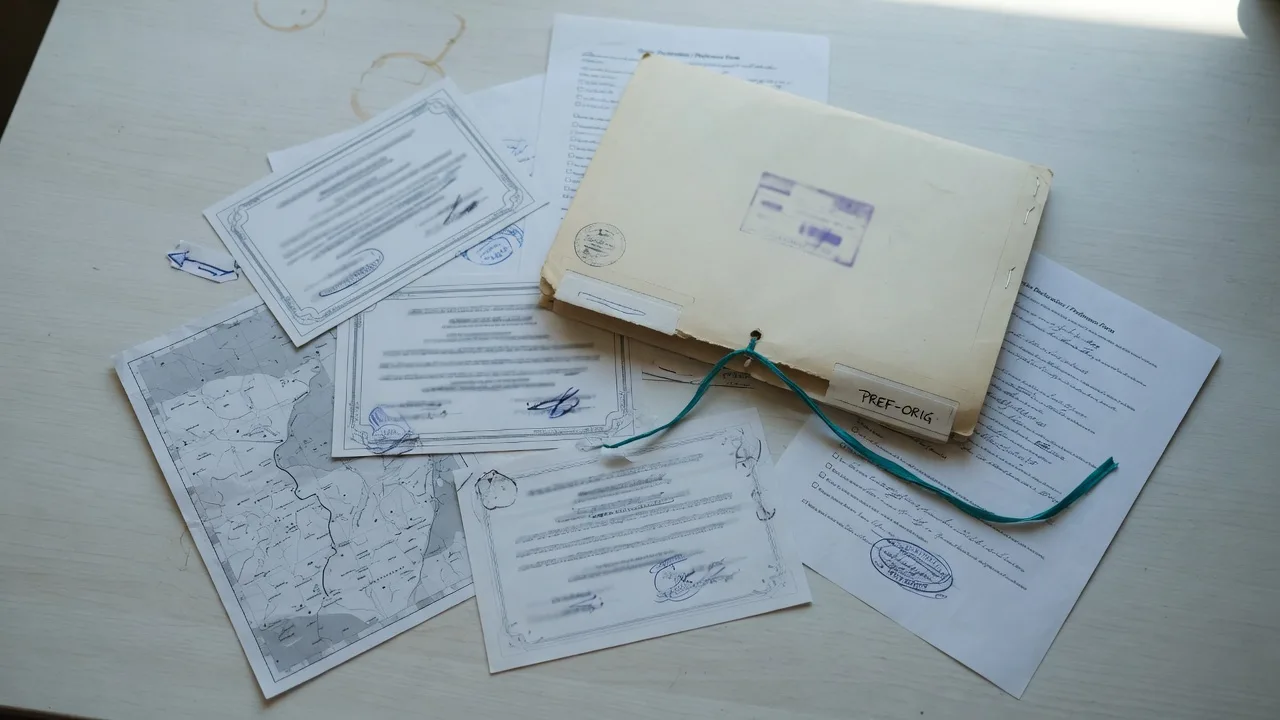
Origin proofs and a stamped folder on a wooden desk.

CSI-Fresh, Fidocs and ICL already run on SKAI.

FidocsCSI-FreshICLEGS

Capabilities

Origin

Three steps. From documents to a dossier customs will accept.

What it covers

Non-preferential origin for measures and statistics. Preferential origin only inside a trade agreement, with EUR.1, an origin declaration or a statement from a REX exporter. Supplier declarations belong at purchase, not at the audit.

  • Non-preferential origin for measures and statistics
  • Preference only inside a trade agreement
  • EUR.1, origin statement or statement by a REX exporter
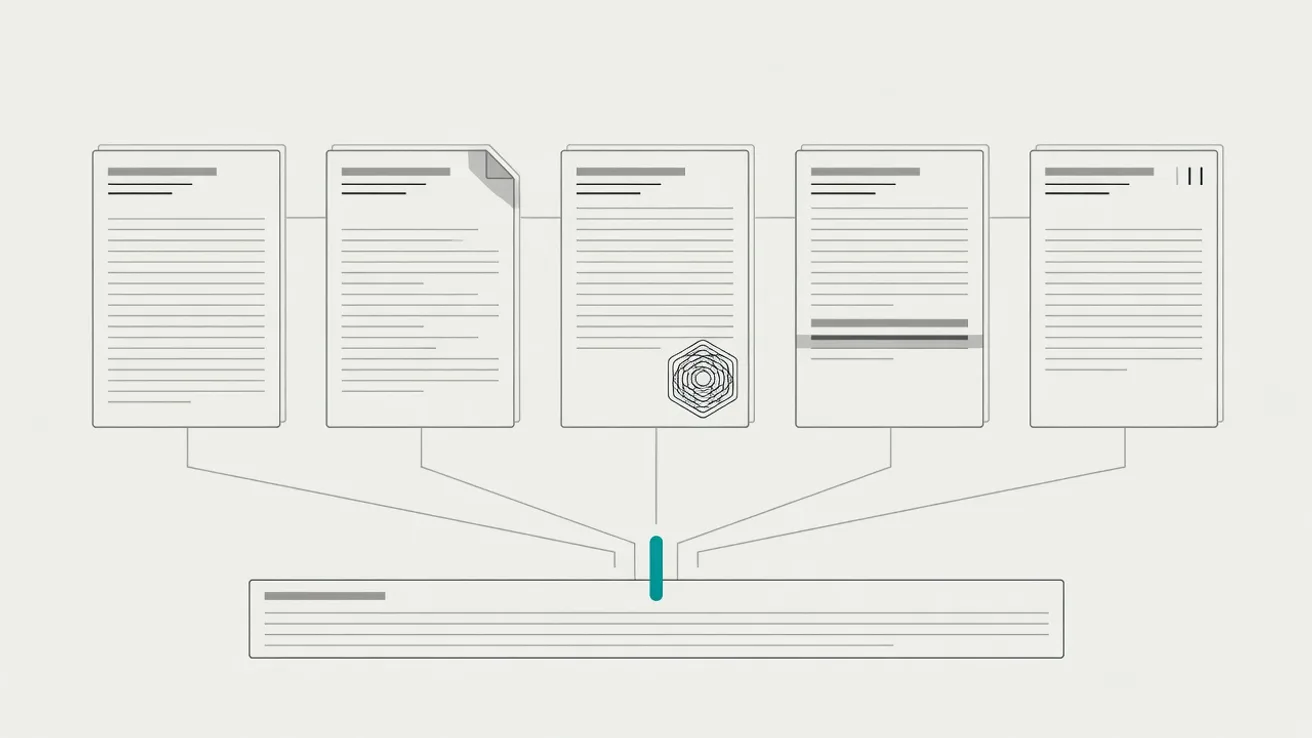
Diagram in which five document cards link down to one article row, with a single teal marker showing which document carries the origin

How it works

SKAI reads the documents that carry origin and ties the proof to the claim. If proof is missing or a long-term supplier declaration has expired, your declarant sees that before filing. Without proof the third-country rate stays.

  • Documents that carry the origin are read
  • The proof is tied to the claim
  • Without proof the third-country rate stays
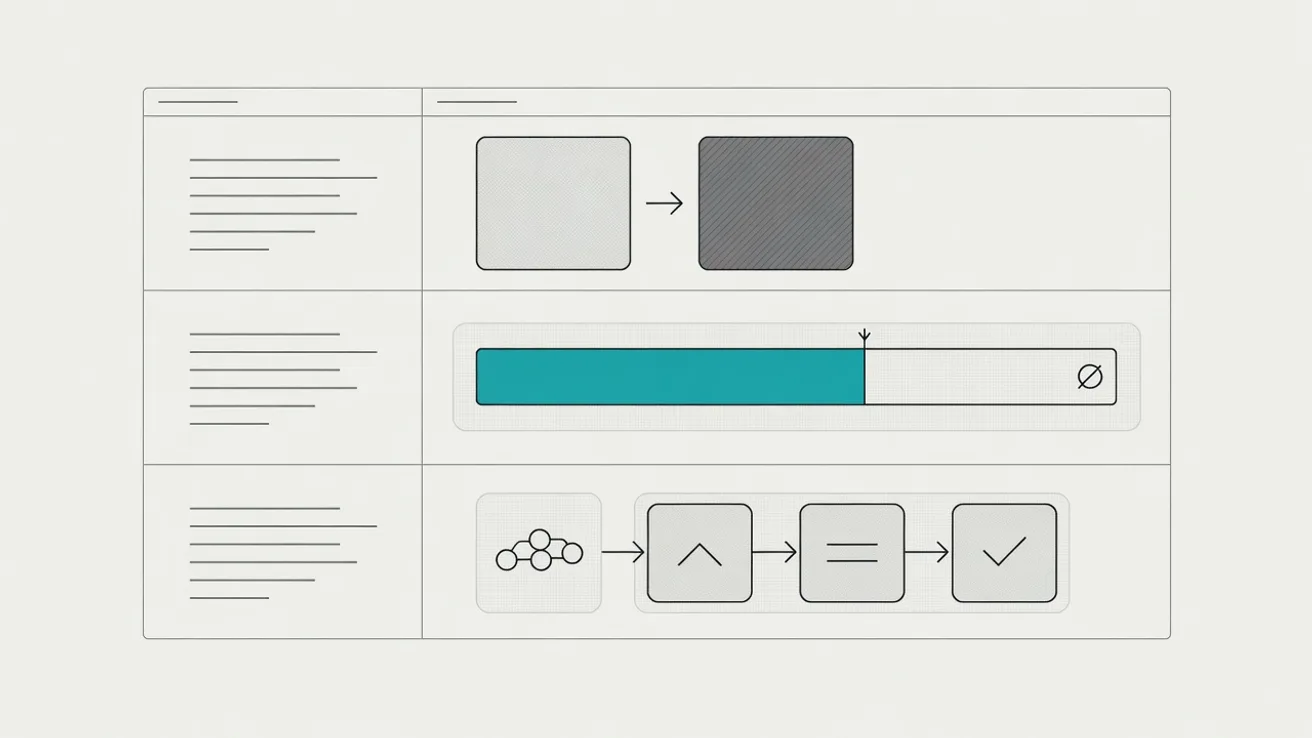
Panel with three rule rows showing a change of tariff heading, a maximum percentage and a processing requirement as abstract shapes

What stays in the dossier

Which rule, which agreement, which paper. At a later audit that is the dossier, not a reconstruction.

  • Which rule
  • Which agreement
  • Which paper, ready for a later check
  1. 1Which rule
  2. 2Which agreement
  3. 3Which paper, ready for a later check

Also relevant

Frequently asked questions

What is a long term supplier declaration?
A long term supplier declaration is a declaration in which your supplier confirms the origin status for every delivery of the same article over a period of at most two years. It replaces a separate declaration per consignment. You use it as the basis for issuing an origin declaration or a statement on origin yourself.
Can a EUR.1 be issued retrospectively?
Yes, the customs authority of the exporting country can issue a EUR.1 retrospectively when the certificate was not applied for at export by mistake, or was not accepted. The certificate then carries the endorsement that it was issued retrospectively. The importer must afterwards ask for his declaration to be amended within the applicable period.
What does insufficient working mean in an origin rule?
Insufficient working is an operation that never confers origin, even where the list rule looks satisfied. Packing, labelling, sorting, washing, simple mixing and simple assembly all fall under it. Every agreement lists those operations separately, apart from the list rule for each commodity code.
What is binding origin information?
Binding origin information is a customs decision on the origin of a specific product, valid for three years and binding on customs throughout the Union. You apply for one when a claim is structural and the rule is open to argument. It covers only the goods and the circumstances described in the application.
Does the preference lapse if the consignment travels through a third country?
Not if the goods stay under customs supervision there and are not processed. Agreements set a direct transport or non-manipulation requirement, under which transhipment, storage and splitting of consignments are allowed as long as the goods stay unaltered. You have to be able to show that on request, with transport documents or a statement from customs in the country of transit.
Does origin have to be declared per goods item?
Yes, origin is a data point per goods item and not per consignment or per invoice. One invoice with articles from three countries produces items with three different origins. A preferential claim likewise applies per item, and only to the items the evidence actually covers.

We show how an origin claim in SKAI hangs on the supporting document.

Book a demo