Skip to content

Module

Veterinary

The veterinary module reads the health certificate, builds the CHED and files it in TRACES-NT, before arrival at the border control post.
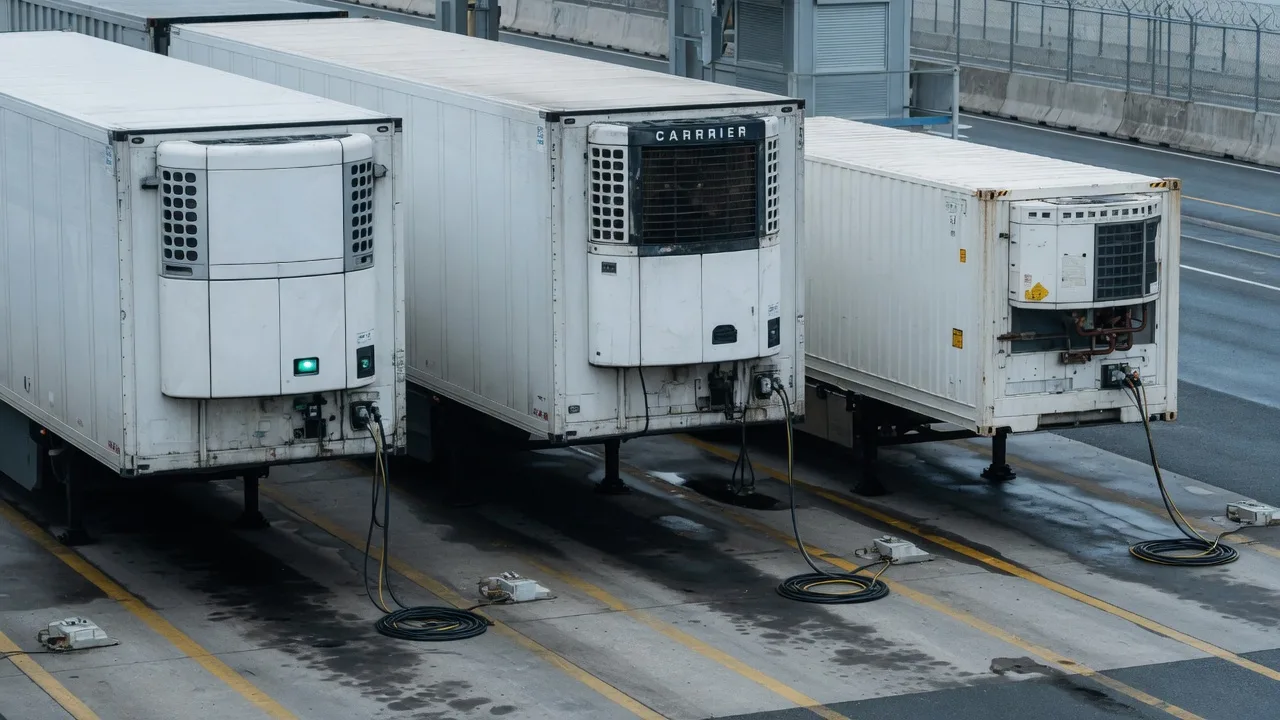
Refrigerated trailers plugged in at a border control post.

CSI-Fresh, Fidocs and ICL already run on SKAI.
FidocsCSI-FreshICLEGS

Capabilities

Veterinary

Three steps. From documents to a dossier customs will accept.

What it covers

CHED-P for products of animal origin and CHED-D for non-animal consignments under reinforced checks. The goods code decides whether inspection is needed and which CHED type. Pre-notification is as a rule one working day before arrival.

  • CHED-P for products of animal origin
  • CHED-D for non-animal consignments under tighter control
  • Notify at the latest one working day before arrival
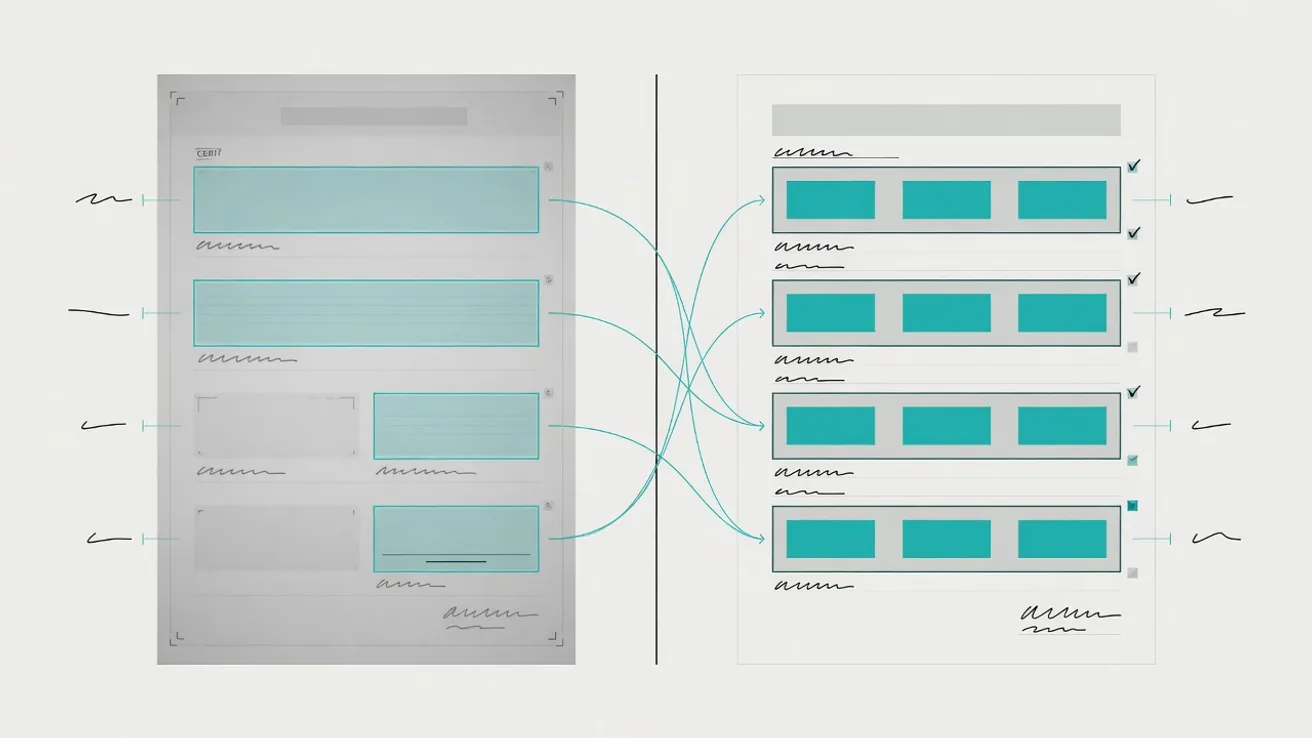
Fields from a scanned health certificate travel along thin lines into the matching boxes of a CHED form.

How it works

SKAI reads certificate, invoice, packing list and bill of lading. Certificate number, weight and container number have to match. If they do, the CHED goes to TRACES-NT. The reference comes back into the dossier, next to the import declaration.

  • Certificate, invoice, packing list and bill of lading are read
  • Number, weight and container number must match
  • CHED to TRACES-NT, reference back in the dossier
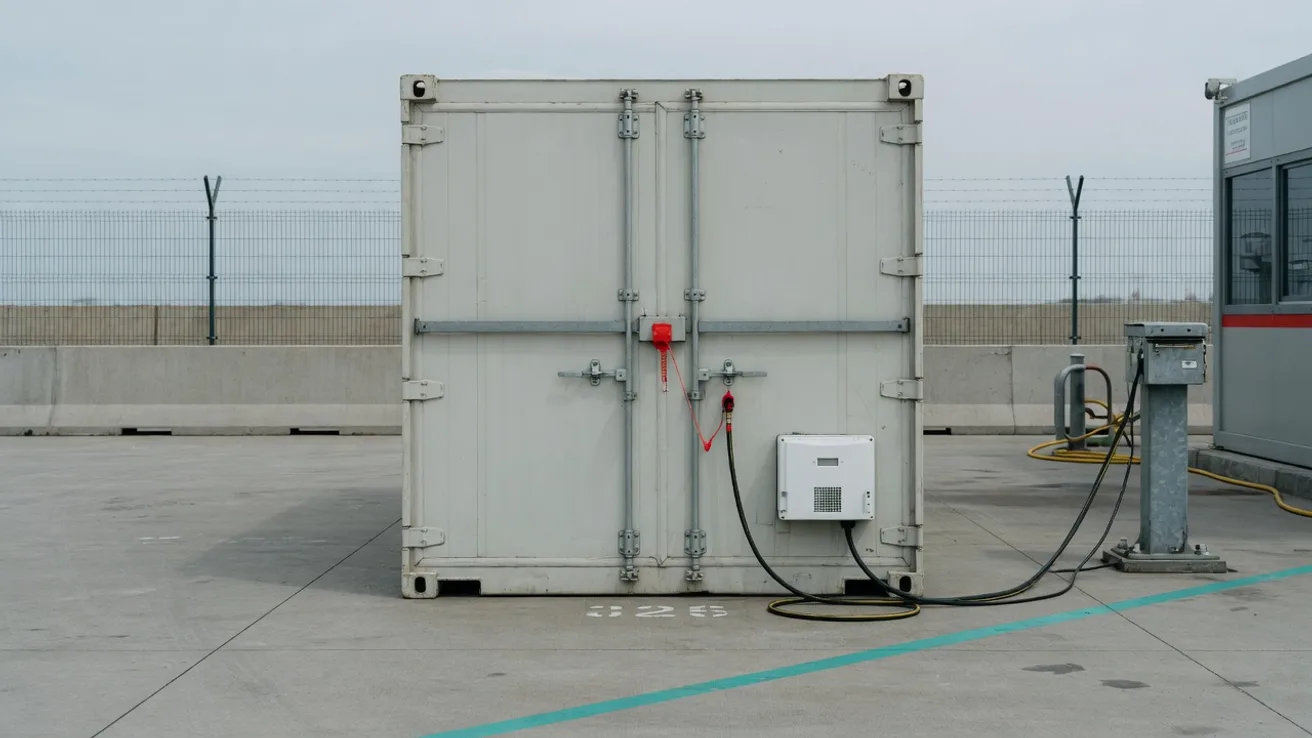
A plugged-in reefer container stands sealed on the quay of a border control post, waiting for inspection.

Two releases

Customs release in DMS and inspection release in TRACES-NT are separate. The container may only leave when both are green. SKAI shows both statuses in the same dossier.

  • Customs release in DMS
  • Inspection release in TRACES-NT
  • The container leaves only when both are green
  1. 1Customs release in DMS
  2. 2Inspection release in TRACES-NT
  3. 3The container leaves only when both are green

Frequently asked questions

Can a consignment be released by customs and still be held by the NVWA?
Yes. Customs release and inspection release are separate decisions in separate systems. The declaration can be accepted in DMS while the NVWA has not signed off the CHED, and then the container may not leave the terminal. Always look at both statuses.
What does the KCB do and what does the NVWA do?
The NVWA is the competent authority and decides on the CHED for veterinary consignments and food. The KCB carries out the phytosanitary import inspections and checks the marketing standards for fruit and vegetables, under the responsibility of the NVWA. A mixed container can need both.
Which CHED types does SKAI file in TRACES-NT?
SKAI files CHED-P for products of animal origin and CHED-D for food and feed of non-animal origin in TRACES-NT. The underlying certificates and accompanying documents are read and checked for the whole file, also when a consignment additionally requires another notification.
Do I have to retype the health certificate into the CHED?
No. SKAI reads the certificate and fills part I of the CHED from it, with a source label per field back to the document. The certificate number, the approval number of the establishment, the net weight and the container details come from the document itself and are compared against the invoice, the packing list and the bill of lading.
Can a CHED still be changed after it has been submitted?
Part I can be amended as long as the authority has not yet handled the CHED, for instance when the container number or the arrival time changes. After sign-off, changing it is no longer a correction but a conversation with the border control post. So report a change in the ETA immediately.
What comes first, notifying the CHED or filing the import declaration?
Notifying the CHED comes first. The import declaration has to carry the CHED reference number, and the goods only enter free circulation once the inspection is finished. In practice the notification goes out at least one working day before arrival and the declaration follows after it.

We show how a health certificate becomes a CHED and lands in TRACES-NT.

Book a demo