·9 min read
E-commerce declarations since 1 July
On 1 July 2021 the VAT exemption for consignments up to twenty two euro lapsed. Since then VAT is due on every parcel entering the Union, and VAT can only be levied on the basis of a declaration. This article sets out what that regime asks of a declarant today, where it still breaks down, and which way it is moving.
What happened at the border on 1 July 2021?
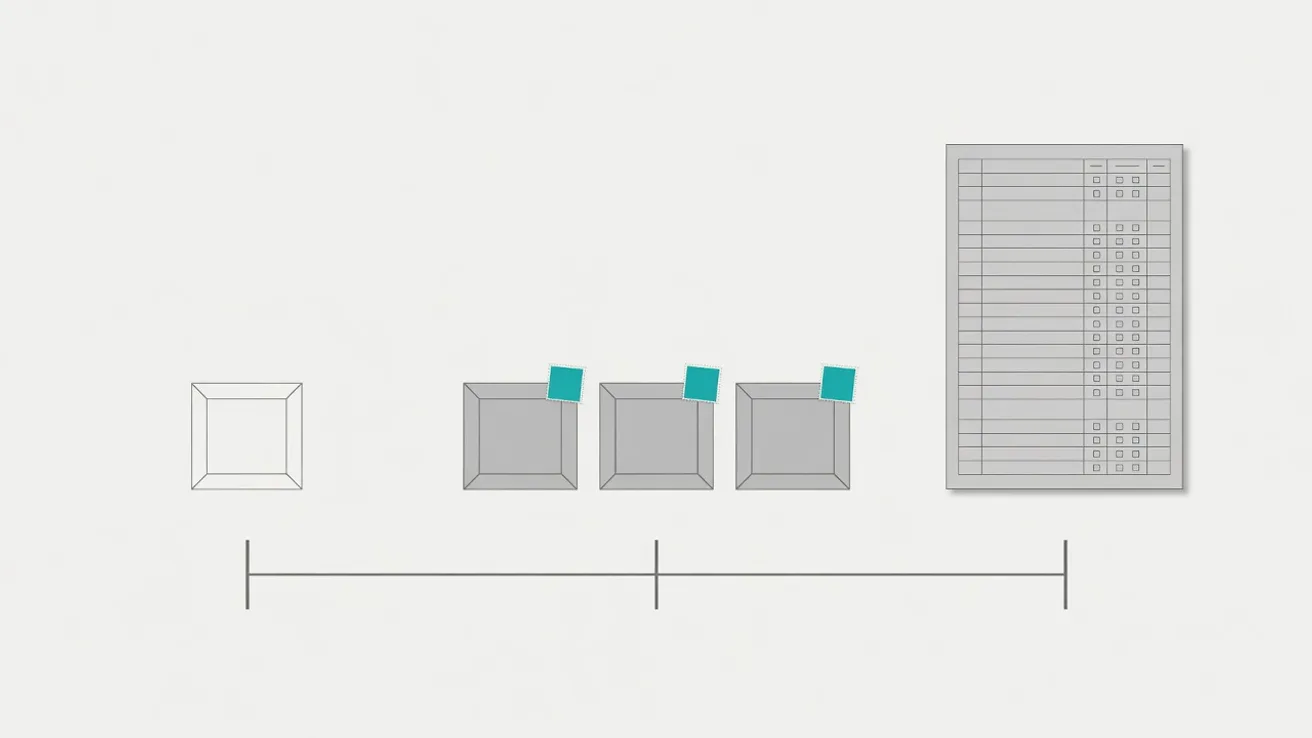
Until that date a consignment with an intrinsic value up to twenty two euro was exempt from import VAT. In practice that meant a large share of the parcel stream from China, the United Kingdom and the United States crossed the border without a declaration ever being made. What replaced that exemption on 1 July 2021 is not a higher rate but an obligation to declare. VAT is due on every consignment regardless of value, and customs can only levy that VAT if a declaration exists. A flow that had largely sat outside the customs system was pulled into it in one step. For a declarant that is the heart of 1 July 2021. Not that parcels became more expensive, but that the number of declarations now tracks a flow counted in pieces rather than in containers. That is exactly why e-commerce got its own channel and its own heavily reduced data set.
What does the one hundred and fifty euro threshold still do?
The one hundred and fifty euro threshold still exists, but it concerns import duty and not VAT. Below that line the consignment is exempt from duty. VAT is due either way. Those two things get mixed up daily, and the difference decides both the channel and the bill that lands with the recipient. The threshold is measured on the intrinsic value: the price of the goods themselves, without freight and without insurance. A parcel holding one hundred and forty euro of goods with twenty euro of shipping stays below the line. If the commercial invoice shows only a total, you have to be able to show during an audit how you arrived at the intrinsic value. Splitting to stay under the line does not work. Goods ordered together and shipped together are one consignment, even when the carrier puts two labels on them. An audit looks at the order and not at the number of labels, and the correction lands with the declarant.
Why can DECO do what DMS cannot?
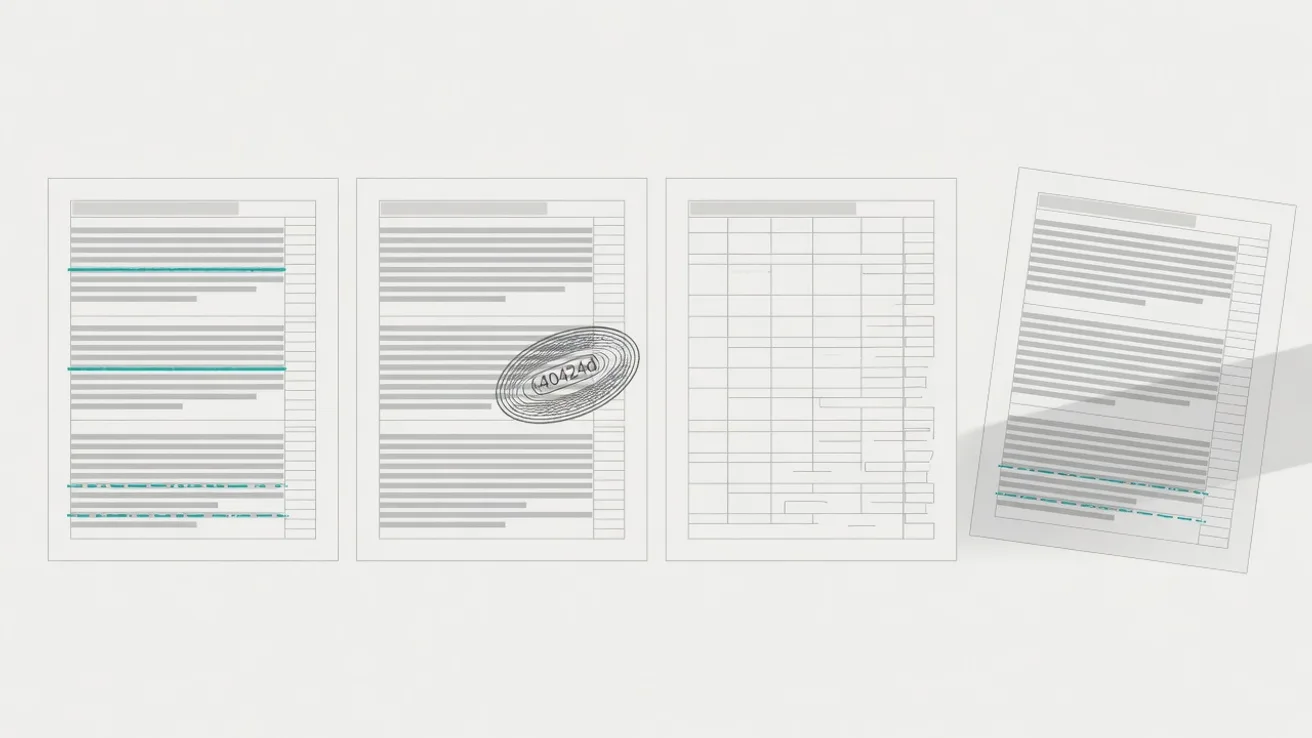
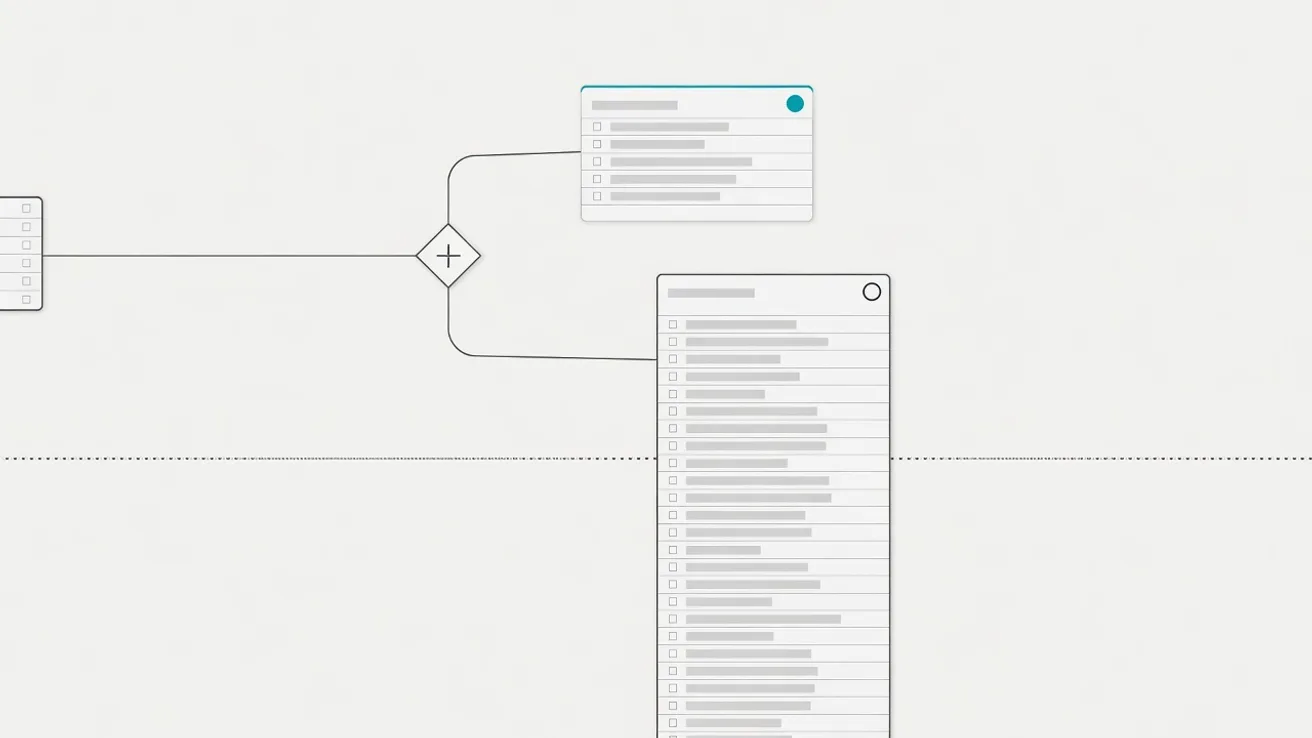
DECO is the Dutch channel for declarations of consignments up to one hundred and fifty euro. It runs on the H7 data set from the Union Customs Code, the heavily reduced set holding among other things consignor, consignee, value, a short description and a six digit commodity code. No full ten digit code, no build up of the customs value, no chain of authorisations per line. That is exactly what a parcel stream needs. A full import declaration in DMS asks for data that simply does not exist on a forty euro consignment, and filling it in per parcel would stop the flow. The reduced set makes fully automated filing possible, with a person only looking at the rejections. That speed has a price. Six digits carry no anti dumping duty, no quota and no prohibitions and restrictions. A consignment with a product subject to inspection therefore does not belong in DECO, not even below the threshold, and excise goods fall outside it too. Those go as a normal import declaration in DMS. SKAI picks the channel from the value, the type of goods and the rules recorded per client.
Who collects the VAT when the seller uses IOSS?
With IOSS the seller collects the VAT at the moment of sale and remits it monthly in one member state. The consignment then enters without VAT being levied at import. The IOSS number belongs on the declaration. If it is missing, customs simply levies again and the consumer pays twice on the same parcel. Without IOSS the VAT is levied at import. In practice the carrier advances it and passes it on to the recipient together with clearance charges. That is the bill that turns up at the front door, and it is why platforms use IOSS: with or without it, the same consignment becomes a completely different customer contact. IOSS covers the VAT and nothing else. Import duty is not included, and above one hundred and fifty euro the scheme cannot be used at all. A one hundred and sixty euro consignment carrying an IOSS number on the waybill is therefore an error you want to see before filing rather than after, because afterwards it is a correction with an unhappy recipient attached.
Which errors can no longer be repaired at this end?
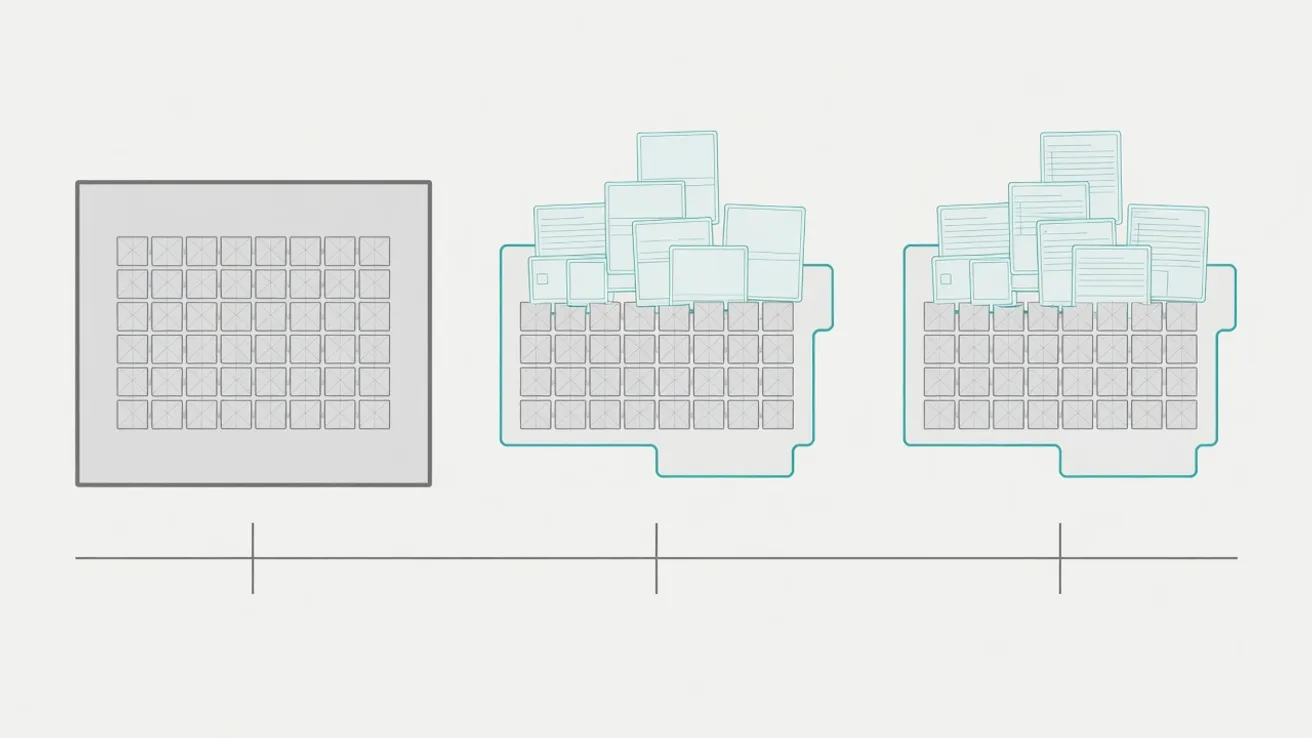
The data in an e-commerce declaration does not come from a customs administration but from a web shop. Whatever the seller typed into the product field is what you declare. Gift, sample, present, goods: these are descriptions that carry no commodity code and that customs can do nothing with. At this end of the chain such a description cannot be repaired. You do not know what is in the parcel, and guessing a code that later turns out to be wrong is a bigger problem than a rejection today. In practice the consignment sits still or goes back until the seller supplies usable data. That is why the mapping out of the web shop system is the real work. A field that truncates descriptions, a currency that does not come through, a value that gets rounded: errors like that produce rejections at the same rate as the stream arrives. SKAI checks the description, the code and the value before the declaration goes to DECO, and records per client which fields go wrong structurally, so you can have the conversation with the seller holding a list rather than a hunch.
Why does the return flow need its own setup?
In e-commerce part of what was imported comes back. That is not an exception but a standing flow, and it does not run correctly by itself. A parcel going back to the seller leaves the Union and therefore needs an export declaration, even at a low value and even where no duty was paid at import. If the recipient wants the VAT back, the link between the import and the return has to be demonstrable. Without that link, VAT has been levied on goods that did not stay in the Union, and you do not correct that with an email afterwards. The MRN of the original declaration is the only hard anchor, so that MRN has to travel with the administration of the return. If the same article comes back in later, after a repair or an exchange for instance, the returned goods provisions come into play. Those ask for proof that these are precisely those goods. A return flow that exists only in the WMS and not in the customs records does not deliver that proof, and then you pay again on re import.
What happens if the duty exemption goes as well?
The European Union is working towards removing the import duty exemption up to one hundred and fifty euro. The direction is there, a confirmed date is not. Anything time sensitive on this page should therefore be checked against the rules in force at the time before you build your setup on it. The consequences are foreseeable enough. Duty cannot be calculated on six digits. Every parcel would then need a full ten digit commodity code with everything hanging off it: the third country rate, any preference, anti dumping duty and the document codes that belong with prohibitions and restrictions. The H7 set as it stands does not carry that, so the work shifts from filing to classifying. What you can already do is decouple classification from the declaration. An article file per client, with a ten digit code per SKU and fed by the descriptions the seller supplies, is work that already pays off today in fewer rejections and that you will not have to do under time pressure later. That is the preparation which does not depend on a date.